
Tips and Advice

Logistics Insights & Expert Advice
Stay informed with the latest tips, guidance, and industry insights from Campbell McCleave & Co. Ltd. Our blog covers everything from freight forwarding best practices to customs updates, helping you navigate the complexities of shipping with confidence and efficiency.
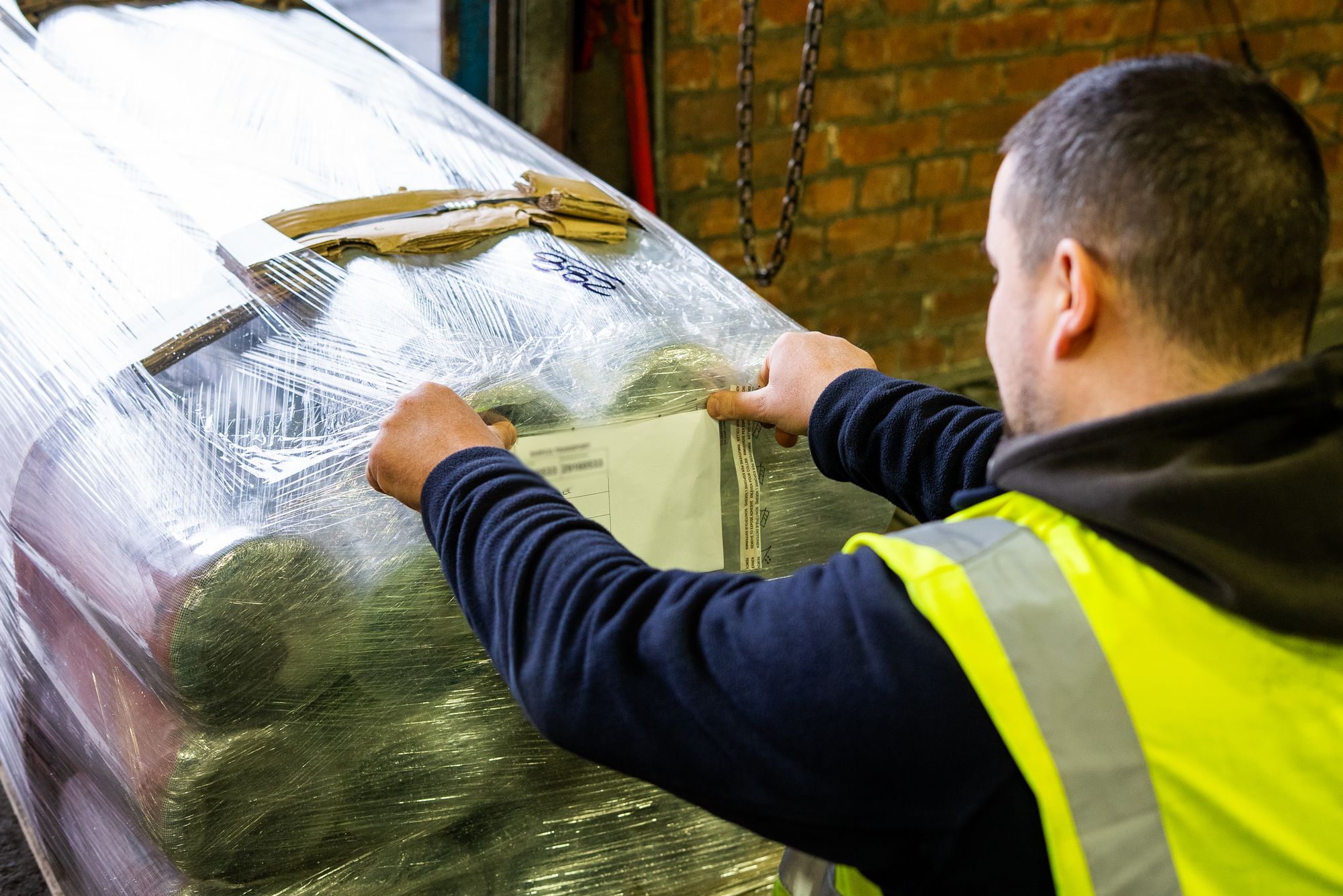
How to Prepare Your First Import Shipment: A Step-by-Step Guide
Importing goods for the first time raises a lot of questions. What documentation is needed? Who handles customs? How long will it take? What could go wrong? The good news is that once you understand the process, it becomes far more manageable. This guide walks through the key steps involved in preparing your first importContinue reading “How to Prepare Your First Import Shipment: A Step-by-Step Guide”

What Is a Bill of Lading and Why Does It Matter?
A Bill of Lading is a legal document issued by a carrier that confirms a shipment has been received, describes the goods being transported, and sets out the terms under which they will be delivered. It serves three functions at once: it is a receipt for the cargo, a contract of carriage, and in someContinue reading “What Is a Bill of Lading and Why Does It Matter?”
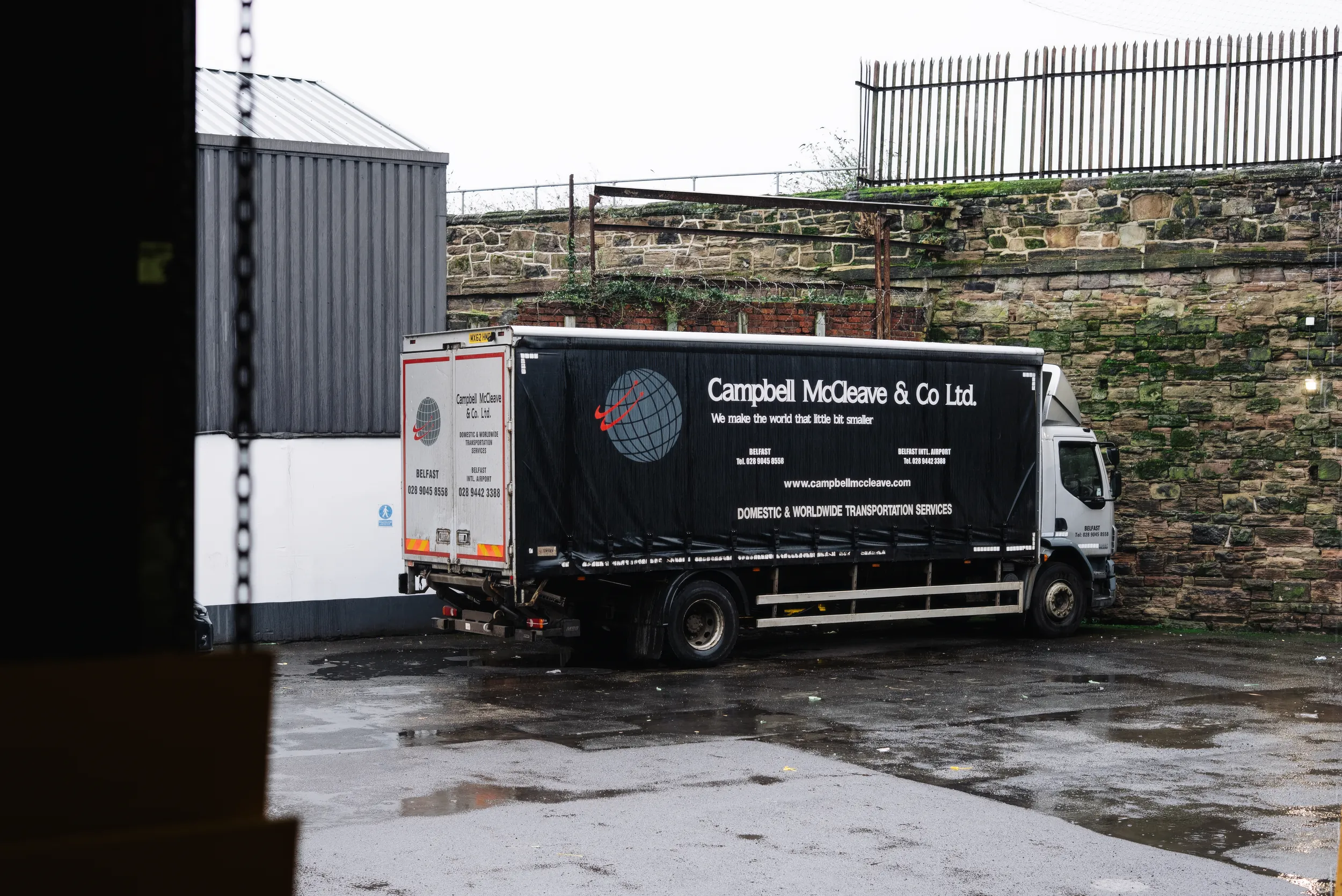
What Is Groupage Freight and Is It Right for Your Business?
Groupage freight is a road freight option where a single trailer carries consignments from multiple businesses going in the same direction. Each business pays only for the space their cargo uses, making it a cost-effective alternative to booking an entire trailer when a full load is not needed. It is widely used for European roadContinue reading “What Is Groupage Freight and Is It Right for Your Business?”
FCL vs LCL: How to Decide Which Sea Freight Option Makes Sense
(Less than Container Load) means a shipment shares container space with cargo from other businesses. The right choice depends on shipment volume, budget, timeline, and how much risk an importer is willing to accept. What FCL Means in Practice With FCL, an importer books an entire container, regardless of whether their cargo fills it completely.Continue reading “FCL vs LCL: How to Decide Which Sea Freight Option Makes Sense”
A Plain-English Guide to Incoterms: What Every Importer Should Know
Incoterms are a set of standardised trade terms that define who is responsible for shipping costs, insurance, and risk at each stage of a shipment’s journey. They are published by the International Chamber of Commerce and used in international contracts to avoid confusion between buyers and sellers. Why Incoterms Matter Without clear terms, it isContinue reading “A Plain-English Guide to Incoterms: What Every Importer Should Know”
What Happens When Your Shipment Gets Held at Customs (and How to Avoid It)
A customs hold happens when a shipment is stopped at the border for additional checks before it is released. It can be caused by incomplete paperwork, incorrect commodity codes, missing licences, or a random compliance check. Most holds are resolved within days, but the cost and delay can be avoided with the right preparation. WhyContinue reading “What Happens When Your Shipment Gets Held at Customs (and How to Avoid It)”

40 Years of Freight: How Shipping Has Changed Since 1983
When Campbell McCleave was established in 1983, the world of freight forwarding looked very different. Bookings were made by phone or telex. Documentation was paper-based, manually completed, and physically moved. Tracking a shipment meant calling an agent and waiting for an update. Customs clearance was a lengthier, more labour-intensive process. The fundamentals – getting goodsContinue reading “40 Years of Freight: How Shipping Has Changed Since 1983”

Why Relationships Still Drive Better Logistics Outcomes Than Technology Alone
There is no shortage of platforms promising to transform how businesses manage their supply chains. Visibility tools, automated tracking, digital freight marketplaces – the options keep expanding. And they have their place. Technology has genuinely improved the industry. But the conversation about what drives the best logistics outcomes often focuses too heavily on systems andContinue reading “Why Relationships Still Drive Better Logistics Outcomes Than Technology Alone”

Why Experience Still Matters in an Era of Automated Logistics
Technology has changed a great deal about how logistics works. Shipments can be tracked in real time. Documentation processes that once took days can be completed in hours. Automated systems handle bookings, generate alerts, and flag irregularities without human input. None of that is a bad thing. Efficiency matters, and the industry is better forContinue reading “Why Experience Still Matters in an Era of Automated Logistics”

A Forwarder’s View From the Port: What Most Customers Never See
For many businesses, shipping goods internationally can feel quite straightforward. A shipment is booked, a container is loaded, and the cargo travels across oceans until it arrives at its destination. With modern tracking systems and regular updates, it’s easy to assume that the process runs smoothly behind the scenes. But anyone working in freight forwardingContinue reading “A Forwarder’s View From the Port: What Most Customers Never See”