
A Plain-English Guide to Incoterms: What Every Importer Should Know
Incoterms are a set of standardised trade terms that define who is responsible for shipping costs, insurance, and risk at each stage of a shipment’s journey. They are published by the International Chamber of Commerce and used in international contracts to avoid confusion between buyers and sellers.
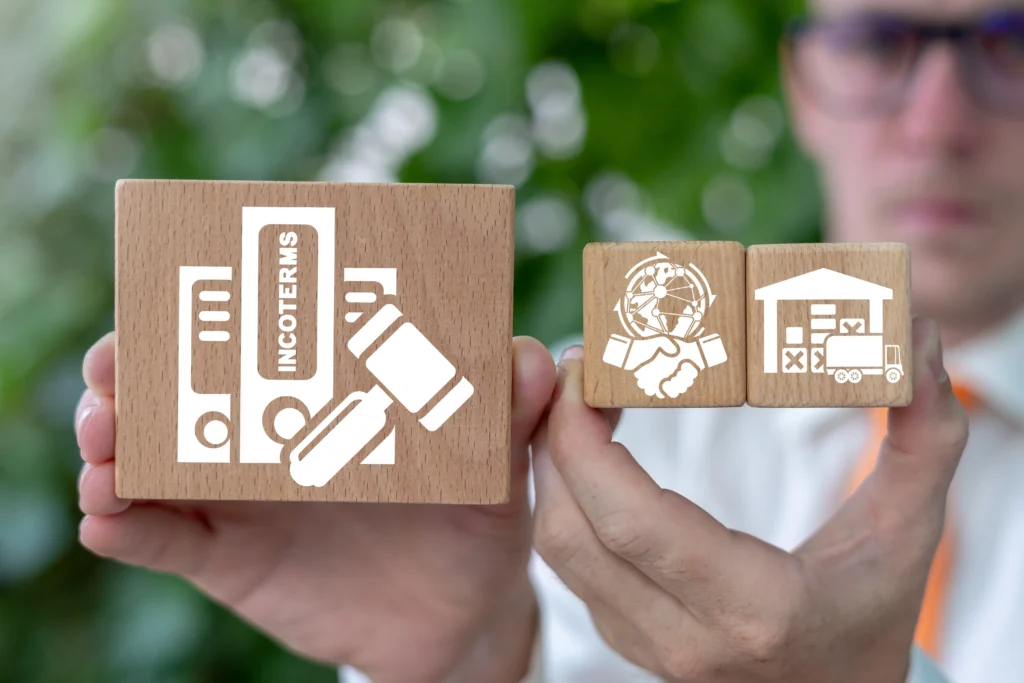
Why Incoterms Matter
Without clear terms, it is easy for a buyer and seller to assume the other party is covering a particular cost or responsibility. Incoterms remove that ambiguity by defining, in a single agreed term, exactly where the seller’s responsibility ends and the buyer’s begins.
Getting the wrong Incoterm, or misunderstanding what it actually covers, can lead to unexpected costs, disputes over who pays for customs clearance, or confusion about who holds insurance liability if goods are damaged in transit.
The Most Common Incoterms Explained
EXW (Ex Works)
The seller makes the goods available at their own premises. The buyer takes on all responsibility for transport, export clearance, and risk from that point onward. This places the most responsibility on the buyer.
FOB (Free on Board)
The seller is responsible for delivering goods to the port and loading them onto the vessel. Once the goods are on board, responsibility transfers to the buyer, who handles the main carriage, insurance, and import clearance.
CIF (Cost, Insurance, and Freight)
The seller covers the cost of transport and insurance to the destination port. Once goods arrive, the buyer takes on responsibility for import clearance and onward delivery.
DAP (Delivered at Place)
The seller is responsible for delivering goods to an agreed destination, covering transport and risk along the way. The buyer is responsible for import clearance and any duties once the goods arrive.
DDP (Delivered Duty Paid)
The seller takes on the maximum level of responsibility, covering transport, insurance, customs clearance, and duties all the way to the buyer’s premises. This places the most responsibility on the seller.
How to Choose the Right Incoterm
The right Incoterm depends on how much control and responsibility each party wants over the shipping process, and how confident the buyer is in managing their own import clearance and logistics.
- Buyers who want more control over freight arrangements often prefer terms like FOB or EXW.
- Buyers who prefer simplicity and fewer moving parts often prefer CIF or DDP, where the seller manages more of the process.
- Importers new to a particular trade lane or market often benefit from terms that place more responsibility on an experienced seller, reducing the risk of unfamiliar customs or logistics processes.
Getting Incoterms Right From the Start
Incoterms look straightforward on paper, but the practical implications of each one can catch importers out, particularly when it comes to unexpected costs or confusion over who is responsible for customs clearance.
Campbell McCleave works with importers across a wide range of sectors to clarify exactly what each Incoterm means for their specific shipment, and to make sure the terms agreed with a supplier do not create problems further down the line.
Frequently Asked Questions
Who decides which Incoterm is used?
The Incoterm is agreed between the buyer and seller as part of the sales contract, usually during price negotiation, since the term directly affects the overall cost to each party.
Do Incoterms cover insurance automatically?
Only some Incoterms, such as CIF, require the seller to provide insurance. Others place the responsibility for arranging insurance entirely on the buyer, so it is important to check what is and is not included under the agreed term.
Can Incoterms be changed after a contract is signed?
Incoterms can be renegotiated, but only with the agreement of both parties. Once a contract is signed, changing the term can affect pricing and should be handled through a formal amendment.