
What Is Groupage Freight and Is It Right for Your Business?
Groupage freight is a road freight option where a single trailer carries consignments from multiple businesses going in the same direction. Each business pays only for the space their cargo uses, making it a cost-effective alternative to booking an entire trailer when a full load is not needed.
It is widely used for European road freight and suits businesses that ship regularly but in volumes too small to justify a dedicated trailer each time.
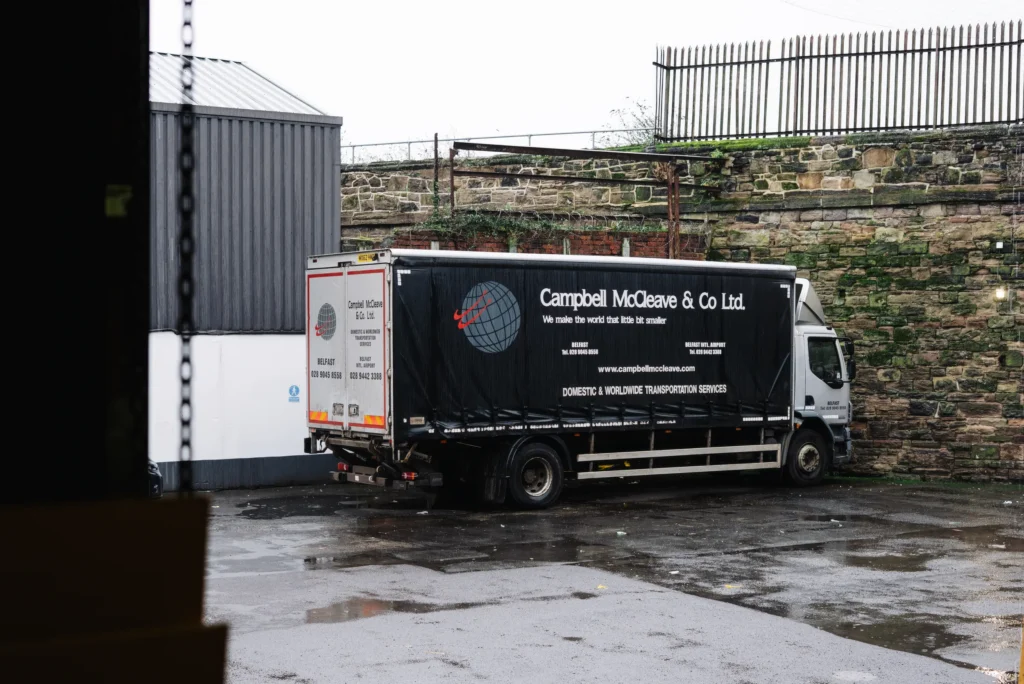
How Groupage Freight Works
When a business books groupage freight, its cargo is collected and consolidated at a depot alongside consignments from other companies heading to the same region or country. The full trailer then departs on a scheduled service, and each consignment is separated out again at the destination hub before final delivery.
The process is managed by the freight forwarder, who coordinates the collection, consolidation, transit, and delivery at the other end. From the client’s perspective, the experience is similar to booking any other freight service, with collection arranged, documentation prepared, and delivery confirmed once the goods arrive.
Groupage vs Full Load: What Is the Difference?
A full load, sometimes called a full trailer load or FTL, means a single consignment occupies the entire trailer. It tends to be faster since there is no consolidation or deconsolidation involved, and the cargo is not handled alongside other shipments.
Groupage, or less than trailer load (LTL), shares that space. It costs significantly less per shipment, but involves more handling steps and typically takes a little longer because of the consolidation process.
Neither option is inherently better. The right choice depends on how much cargo is moving and how much the speed and exclusivity of a full load matter for that particular shipment.
When Groupage Makes Sense
Groupage tends to be the most practical option when:
- The shipment is too small to fill a trailer efficiently.
- Cost is a priority and the additional transit time is manageable.
- Freight moves regularly but in relatively consistent, smaller volumes.
- The destination is covered by a well-established groupage lane with frequent departures.
For businesses shipping regularly into Europe, groupage services on popular routes can offer a reliable, scheduled frequency that makes planning straightforward. See our EU road freight services for the lanes we operate.
When a Full Load Is the Better Option
There are situations where groupage is not the right fit:
- When the cargo is large enough to make a full trailer genuinely cost-competitive. Sea freight may also be worth comparing for large volumes.
- When the goods are fragile or high-value and minimising handling is a priority.
- When delivery speed is critical and the consolidation process would add too much time.
- When the cargo requires temperature control or other special conditions. Air freight may be a more appropriate option in those cases.
Groupage Freight and the Northern Ireland Context
For businesses in Northern Ireland, European road freight involves a couple of additional considerations. Cargo typically moves through GB before reaching the Continent, which adds a crossing to the journey. Post-Brexit customs requirements also apply to goods moving between the UK and the EU, so documentation needs to be in order before a consignment departs.
Working with a freight forwarder familiar with the NI-to-Europe lanes makes a meaningful difference here. Our customs and warehousing team handles documentation and compliance as part of every road freight shipment we manage.
Finding the Right Fit for Your Freight
Groupage freight is one of the most practical and cost-effective options available for businesses moving goods into Europe without needing an entire trailer. It is well suited to regular, smaller shipments on established routes, and the right freight forwarder makes the process straightforward from collection through to delivery. Get in touch and we can talk through whether groupage is the right fit for your next shipment.
Frequently Asked Questions
How is groupage freight priced?
Groupage freight is usually priced by the amount of space or weight the consignment uses in the trailer, whichever is greater. The freight forwarder calculates a rate based on the dimensions, weight, and destination of the cargo.
Is groupage freight slower than a full load?
Generally, yes. Consolidation and deconsolidation at each end adds time compared to a direct full trailer. On well-established groupage lanes, scheduled departures are frequent enough that the difference is manageable for most businesses.
Can all types of goods travel on groupage services?
Most general cargo can move on groupage services. Certain types of goods, such as hazardous materials, temperature-sensitive freight, or very high-value items, may require dedicated transport rather than a shared trailer