
Why Local Knowledge Still Matters in Global Shipping
Global trade has never been more connected. Goods move across continents every day, supported by vast shipping networks, advanced technology, and international logistics providers.
With so much of the process operating on a global scale, it’s easy to assume that location no longer matters.
But for businesses moving goods internationally, local knowledge is often what makes the difference between a smooth shipment and a complicated one.
Behind every successful global supply chain is usually a logistics partner who understands not only how international shipping works, but also the local realities of ports, regulations, and trade routes.
Global Networks Are Only Part of the Picture
Modern freight forwarding relies heavily on international networks. Shipping lines, airlines, customs systems, and logistics partners all operate across multiple countries.
These global systems make it possible to move goods almost anywhere in the world.
However, while the network itself may be global, the practical details of shipping are still very local. Each port operates slightly differently, documentation processes vary, and customs procedures can change depending on the region.
Businesses that rely only on global systems without local expertise often discover these differences at the worst possible moment, when cargo is already in transit.
Understanding Local Trade Routes
Every region develops its own trade patterns over time.
Ports specialise in certain types of cargo, shipping schedules shift depending on demand, and relationships between logistics partners evolve. Understanding these patterns can help businesses make smarter decisions about how they move goods.
A freight partner with local experience can often identify the most practical routing options, anticipate common challenges, and provide guidance based on what actually works in the region.
This type of insight doesn’t come from systems alone, it comes from years of working within the local logistics environment.
Navigating Regulations and Documentation
International shipping always involves documentation, but the interpretation and handling of those requirements can vary.
Customs authorities, port operators, and regulatory bodies may have specific processes that businesses need to understand when importing or exporting goods.
Local freight forwarders are often closely familiar with these processes because they deal with them every day. That experience helps prevent common mistakes and ensures that shipments move through the system as smoothly as possible.
For businesses managing international supply chains, that kind of knowledge can be invaluable.
Communication That Actually Works
Shipping goods across multiple countries involves coordination between many different parties – suppliers, carriers, customs authorities, warehouses, and transport providers.
When issues arise, clear communication becomes essential.
Working with a logistics partner who understands the local environment means businesses have someone on the ground who can speak directly with the right people, resolve problems quickly, and keep shipments moving.
Without that local connection, solving even small issues can become unnecessarily complicated.
Local Expertise, Global Reach
The most effective freight solutions usually combine both global capability and local understanding.
International networks provide access to worldwide transport routes, while local logistics specialists ensure that shipments move smoothly through each stage of the journey.
For businesses operating in Northern Ireland and Ireland, working with a freight partner who understands both sides of that equation can make global trade far easier to manage.
Supporting Businesses in Northern Ireland and Beyond
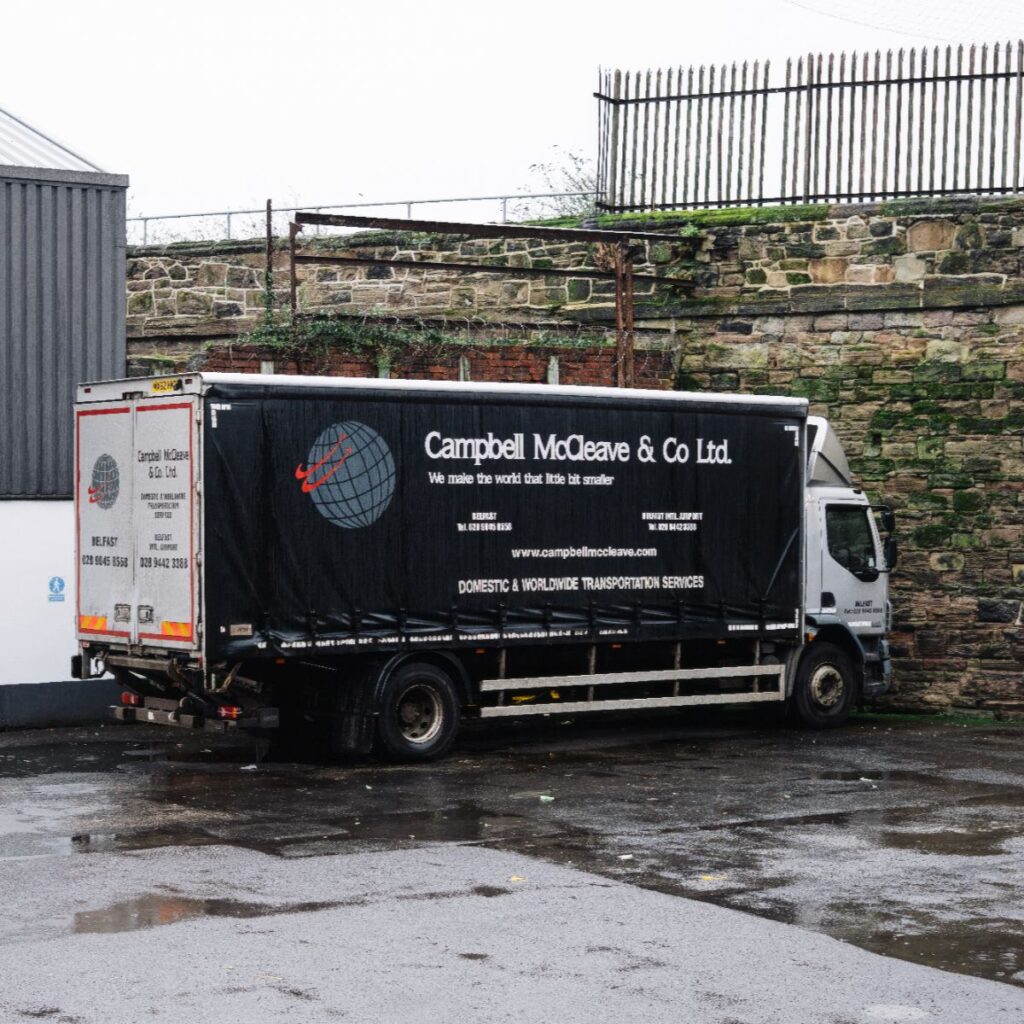
At Campbell & McCleave Ltd, global shipping is supported by decades of local experience. The team works with businesses across Northern Ireland and the wider UK and Irish markets, helping them move goods internationally while navigating the practical realities of modern trade.
By combining global logistics networks with strong regional knowledge, Campbell & McCleave helps businesses manage international shipments with confidence, whether they’re importing goods, exporting products, or coordinating supply chains across multiple markets.
Because in global shipping, the right local expertise still makes all the difference.