
Top Causes of Delays in Sea Freight Shipments, and How to Avoid Them
Delays in sea freight are frustrating, disruptive, and often avoidable. While global shipping will always involve variables outside anyone’s control, many of the most common causes of delay can be reduced through preparation, communication, and experience.
Understanding where delays typically occur helps exporters and importers take a more proactive approach to their logistics planning.
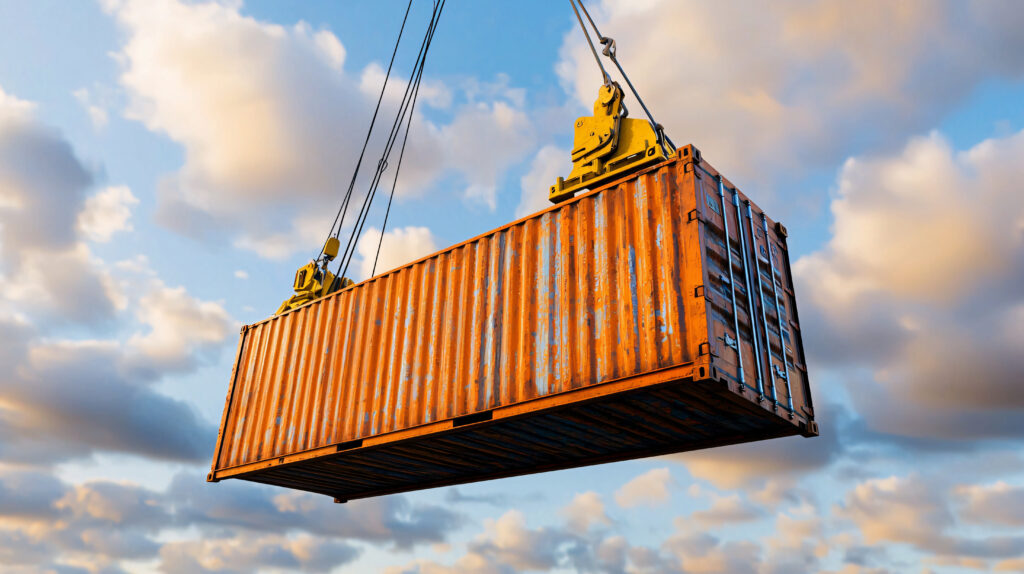
Port Congestion and Terminal Disruption
Ports remain one of the most frequent pressure points in the sea freight process. Congestion can build quickly due to vessel bunching, labour shortages, weather disruption, or equipment availability.
When ports become congested, knock-on effects can occur throughout the supply chain, including delays in vessel berthing, container unloading, and onward transport.
How to reduce risk:
- Build flexibility into shipping plans rather than relying on a single port or route
- Work with a forwarder that actively monitors port conditions and communicates changes early
- Ensure containers are delivered and collected within agreed port windows
While congestion cannot always be avoided, awareness and advance planning can help limit its impact.
Documentation Errors and Missing Information
Paperwork issues remain one of the most preventable causes of sea freight delays. Even minor discrepancies between documents can trigger checks, holds, or requests for clarification.
Common issues include inconsistent cargo descriptions, incorrect consignee details, missing licences, or inaccurate weights and measurements.
How to reduce risk:
- Prepare documentation carefully and review it before submission
- Ensure information is consistent across all documents
- Work with a logistics partner who checks paperwork thoroughly before it is submitted
Clear, accurate documentation helps shipments move through each stage without unnecessary interruption.
Customs Inspections and Compliance Checks
Customs checks are a normal part of international trade, but certain factors can increase the likelihood of a shipment being held for inspection. These may include incomplete declarations, unusual cargo, regulatory changes, or shipments to high-risk destinations.
While inspections cannot always be avoided, delays are often extended when information is missing or unclear.
How to reduce risk:
- Ensure customs declarations are accurate and complete
- Stay informed about regulatory changes that may affect your cargo
- Use experienced customs professionals who understand local requirements
Preparedness and compliance are key to minimising disruption during customs clearance.
Cargo Readiness and Packaging Issues
Delays can also occur before a container even reaches the port. Cargo that is not ready on time, incorrectly packaged, or unsuitable for containerisation can cause missed cut-offs or handling issues.
Inadequate packaging can lead to reworking, repacking, or additional inspections, all of which add complexity to the process.
How to reduce risk:
- Confirm packaging requirements early, particularly for unusual or sensitive cargo
- Ensure cargo is properly labelled and secured
- Allow sufficient time for loading and inspection
Well-prepared cargo supports smoother handling throughout the journey.
Communication Breakdowns
Sea freight involves multiple parties, including shippers, forwarders, carriers, terminals, and customs authorities. Delays are often worsened when communication between these parties breaks down or information is not shared in a timely manner.
Lack of clarity around responsibility or next steps can quickly escalate a minor issue into a major disruption.
How to reduce risk:
- Work with a single point of contact who oversees the shipment end to end
- Expect proactive updates rather than reactive explanations
- Ensure all parties have accurate, up-to-date shipment information
Clear communication helps problems get resolved faster when they do arise.
The Value of a Proactive Approach
While not every delay can be prevented, many can be managed or mitigated through experience and planning. Businesses that treat sea freight as a process to be actively managed, rather than something that runs in the background, tend to experience fewer surprises.
A proactive approach focuses on anticipating risks, preparing thoroughly, and maintaining visibility throughout the shipment lifecycle.
Campbell McCleave’s Approach to Minimising Disruption
At Campbell McCleave, we focus on identifying potential disruption points early and addressing them before they become issues. From documentation checks and customs compliance to port monitoring and clear communication, our aim is to keep sea freight shipments moving as smoothly as possible.
By working closely with our clients and partners, we help reduce uncertainty and provide clarity when challenges arise.
Final Thoughts
Sea freight delays are often the result of predictable issues rather than unexpected events. By understanding where disruptions commonly occur and taking steps to prepare, exporters and importers can significantly reduce risk.
Strong logistics partnerships, accurate documentation, and proactive communication all play a critical role in keeping shipments on track.