
Sea vs Air vs Road Freight: When to Use Each Service
Choosing the right freight option is a key part of effective supply chain planning. The method you select can impact delivery times, costs, and overall reliability. At Campbell McCleave, we support customers with sea, air, and road freight solutions, helping businesses move goods efficiently across the UK, Europe, and worldwide.
Below, we explore when each transport mode is best suited, so you can make informed decisions for your shipments.
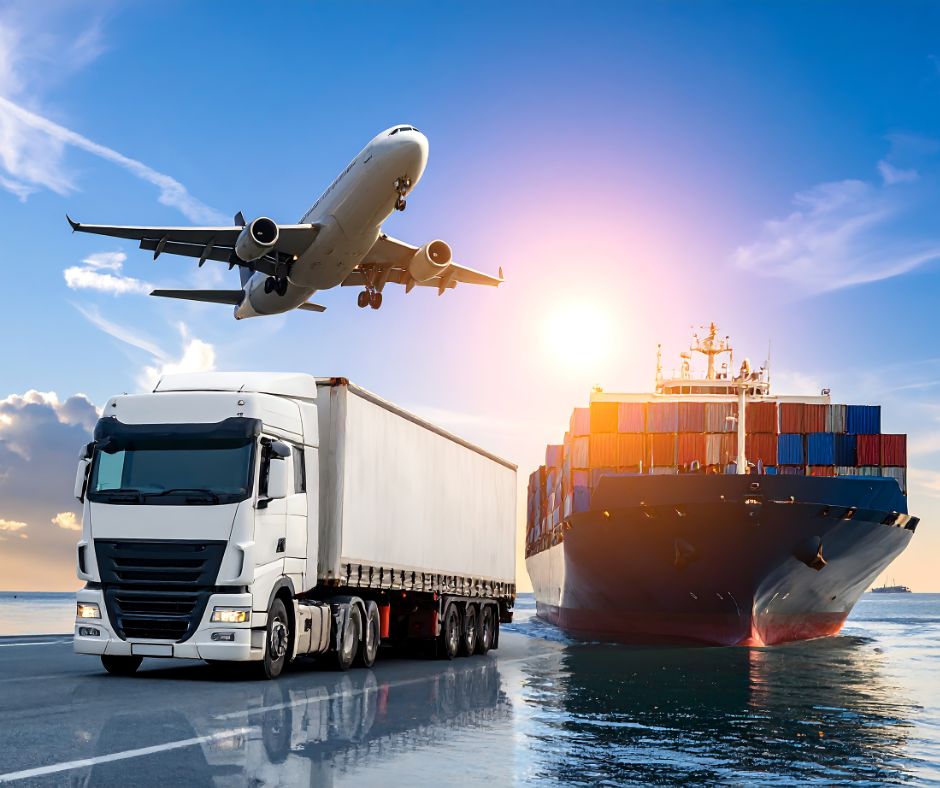
Sea Freight: Ideal for Large Volumes and Long-Distance Trade
Sea freight is widely used for international shipping due to its ability to move large quantities of goods across long distances in a cost-effective way. It is particularly suited to non-urgent cargo, where transit time is less critical than keeping costs controlled.
This option works well for full container loads (FCL) and less than container loads (LCL), making it suitable for manufacturers, wholesalers, and retailers shipping bulk goods. While transit times are longer compared to other methods, sea freight offers predictable schedules and remains the preferred solution for global trade.
Sea freight is commonly chosen for:
- High-volume or heavy shipments
- International imports and exports
- Cost-sensitive supply chains with flexible delivery windows
Air Freight: Designed for Speed and Time-Critical Shipments
When delivery speed is a priority, air freight is the most effective solution. Goods transported by air can reach international destinations in days rather than weeks, making this option ideal for urgent or high-value shipments.
Air freight is often used for perishable goods, pharmaceuticals, electronics, and spare parts where delays could disrupt operations or lead to financial loss. With frequent flight schedules and tightly managed handling processes, air freight provides a high level of reliability for time-sensitive cargo.
Air freight is best suited to:
- Urgent or deadline-driven shipments
- High-value or sensitive goods
- Businesses operating just-in-time inventory systems
Road Freight: Flexible and Efficient for Regional Deliveries
Road freight plays a vital role in domestic and European logistics, offering flexibility and direct, door-to-door delivery. It is particularly effective for short to medium distances, allowing goods to move quickly between ports, warehouses, and final destinations.
This transport mode supports a wide range of shipment sizes, from small consignments to full truck loads, and is often used as part of a wider multimodal solution alongside sea or air freight. Road transport is also well suited to regular, scheduled deliveries within the UK and EU.
Road freight is commonly used for:
- UK and European shipments
- Retail and distribution deliveries
- Connecting ports and airports with final destinations
Comparing Cost, Speed, and Reliability
Each freight method serves a different purpose:
- Sea freight offers the most economical solution for large international shipments where delivery time is flexible.
- Air freight provides the fastest transit times and is ideal when timing and reliability are critical.
- Road freight delivers flexibility and accessibility, especially for regional movements and last-mile delivery.
In many cases, combining these services creates the most efficient logistics strategy, balancing cost control with delivery performance.
Choosing the Right Freight Partner
Selecting the right transport mode is only part of the process, working with an experienced freight forwarder ensures your goods move smoothly from origin to destination.
With decades of industry experience and a global partner network, Campbell McCleave provides tailored freight solutions across sea, air, and road transport. Our team works closely with customers to understand their priorities and deliver reliable, cost-effective logistics support. Contact Campbell McCleave today to discuss your shipping requirements and find the right freight solution for your business.